
Future-Proofing Networks with Advanced Fibre Installations
In today’s fast-paced world, your network infrastructure must keep up. You need a system that supports growth, handles increasing data loads, and reduces downtime. Advanced fibre networking offers a solution. It delivers speed, reliability, and scalability. But how do you ensure your fibre installation lasts for years? How do you future-proof your network?
This post guides you through the essentials of future-proofing networks with advanced fibre installations. You will learn practical steps to build a network that meets today’s demands and tomorrow’s challenges.
Why Choose Advanced Fibre Networking?
Advanced fibre networking is the backbone of modern connectivity. It uses optical fibres to transmit data as pulses of light. This method offers several advantages over traditional copper cables.
Higher speeds: Fibre supports gigabit and even terabit speeds.
Longer distances: Signals travel further without loss.
Better reliability: Fibre is immune to electromagnetic interference.
Lower maintenance: Fibre cables last longer and require less upkeep.
These benefits make advanced fibre networking ideal for commercial businesses, public sector organisations, electrical contractors, IT providers, and MSPs across Ireland. It supports high-performance connectivity that scales with your needs.
Practical Example
Imagine a hospital relying on real-time data for patient care. A fibre network ensures fast, uninterrupted access to medical records and imaging. Or consider a manufacturing plant using IoT devices. Fibre networking handles the data flow without lag or downtime.

Key Elements of Future-Proof Fibre Installations
Future-proofing means planning for growth and change. It means installing fibre networks that won’t become obsolete quickly. Here are the key elements to focus on:
1. Use High-Quality Fibre Cables
Choose cables with high bandwidth capacity and durability. Single-mode fibre is best for long distances and high speeds. Multi-mode fibre suits shorter runs but has lower capacity.
2. Plan for Scalability
Design your network to handle more connections and higher speeds in the future. Use modular equipment and leave room for additional cables.
3. Protect Your Infrastructure
Install cables in secure, accessible locations. Use conduits and ducts to shield fibres from damage. Label cables clearly for easy maintenance.
4. Test and Certify
After installation, test the fibre network thoroughly. Use certified tools to check signal strength, loss, and continuity. Document results for future reference.
5. Train Your Team
Ensure your staff understands fibre technology and maintenance. Regular training reduces errors and downtime.
By focusing on these elements, you build a network that supports your business goals and adapts to new technologies.
How to Implement Advanced Fibre Networking
Implementing advanced fibre networking requires careful planning and execution. Follow these steps to get it right:
Step 1: Assess Your Needs
Evaluate your current and future bandwidth requirements. Consider the number of users, devices, and applications. Factor in growth projections.
Step 2: Survey Your Site
Inspect the physical environment. Identify cable routes, potential obstacles, and access points. Check for existing infrastructure that can be reused.
Step 3: Design the Network
Create a detailed plan showing cable paths, equipment locations, and connection points. Choose fibre types and connectors based on your needs.
Step 4: Install the Fibre
Use skilled technicians to lay cables carefully. Avoid sharp bends and physical stress. Follow industry standards and safety regulations.
Step 5: Test and Commission
Perform comprehensive testing to verify performance. Fix any issues before going live. Provide documentation and training to your team.
Step 6: Maintain and Upgrade
Schedule regular inspections and maintenance. Monitor network performance and plan upgrades as needed.
This structured approach ensures a reliable, high-performance network that meets your business demands.
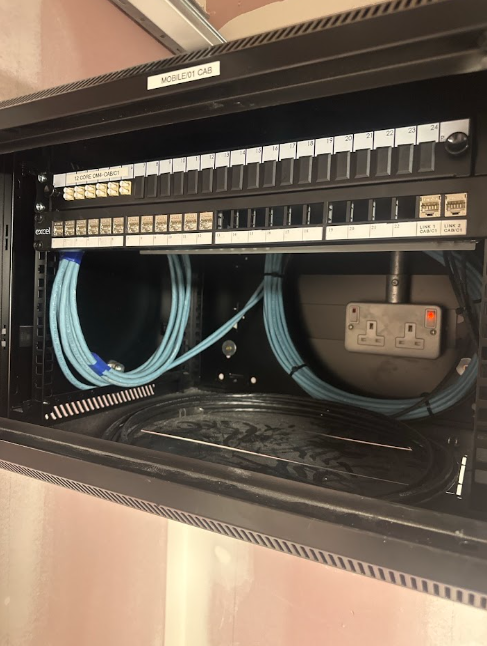
The Role of Future Proof Fibre Installation in Network Longevity
A future proof fibre installation is not just about today’s technology. It’s about anticipating tomorrow’s needs. It means choosing solutions that remain relevant as your business evolves.
Why is this important? Because network upgrades can be costly and disruptive. A well-planned fibre installation reduces the need for frequent replacements. It saves money and minimises downtime.
For example, installing extra fibre strands during initial setup may cost more upfront. But it allows easy expansion later without new cabling. Using high-quality materials and connectors prevents failures and repairs.
Future proofing also involves staying informed about emerging technologies. Your network should support upgrades like 5G integration, cloud services, and IoT expansion.
Practical Tips for Maintaining Your Fibre Network
Maintaining your fibre network is crucial for long-term performance. Here are some practical tips:
Regular Inspections: Check cables and connectors for damage or wear.
Clean Connectors: Dirt and dust reduce signal quality. Use proper cleaning tools.
Monitor Performance: Use network management tools to detect issues early.
Document Changes: Keep records of upgrades, repairs, and tests.
Train Staff: Ensure technicians follow best practices during maintenance.
These steps help you avoid unexpected failures and keep your network running smoothly.
Preparing for Future Technologies
Technology evolves rapidly. Your network must be ready to support new applications and devices. Here’s how to prepare:
Choose Flexible Equipment: Use switches and routers that support firmware updates and new protocols.
Plan for Higher Speeds: Install fibre that can handle speeds beyond your current needs.
Support Virtualisation: Design networks that work well with cloud and virtual services.
Integrate Security: Build in security measures to protect data and infrastructure.
By preparing for future technologies, you ensure your network remains a valuable asset.
Building a Reliable Network Infrastructure
Reliability is key to business success. A reliable network reduces downtime and improves productivity. To build reliability:
Use redundant paths and equipment to avoid single points of failure.
Choose quality components and certified installers.
Implement monitoring systems to detect and resolve issues quickly.
Schedule preventive maintenance to catch problems early.
A reliable network supports your operations and builds trust with clients and partners.
Your Next Steps in Advanced Fibre Networking
You now understand the importance of advanced fibre networking and how to future-proof your installation. The next step is to take action.
Assess your current network and identify gaps.
Consult with experienced fibre installation professionals.
Plan your network with scalability and reliability in mind.
Invest in quality materials and skilled labour.
Commit to ongoing maintenance and upgrades.
By following these steps, you build a network that supports your growth and minimises costly downtime.
Advanced fibre networking is not just a technical upgrade. It is a strategic investment in your organisation’s future. Make the right choices today to enjoy seamless connectivity tomorrow.


Comments